Chapter 1
The Case for RLT Workforce Upskilling
1.1 The Clinical Imperative
Radioligand therapy (RLT) is one of the earliest examples of precision medicine, combining targeted molecular imaging and targeted radionuclide therapy within a theranostic approach. Its origins date back more than 80 years, with the introduction of iodine-131 (131I) for the diagnosis and treatment of thyroid disease.1 Subsequent developments included bone-seeking radiopharmaceuticals incorporating radionuclides such as strontium-89 (89Sr), samarium-153 (153Sm) and radium-223 (223Ra) for the management of painful skeletal metastases.2
Today, RLT has evolved from a niche treatment into a rapidly expanding, guideline-endorsed standard of care for several oncology indications. A growing body of clinical evidence has demonstrated the efficacy of prostate-specific membrane antigen (PSMA)-targeted radioligand therapy in metastatic castration-resistant prostate cancer (mCRPC), leading to regulatory approvals in Europe and the United States.3 More recent evidence supports the use of PSMA-targeted RLT earlier in the treatment pathway, expanding the eligible patient population.4,5,6 Radioligand therapy targeting somatostatin receptors has become an established treatment option for patients with advanced, progressive neuroendocrine tumours.7
As indications continue to expand and more patients become eligible for treatment, healthcare systems face increasing pressure to develop the workforce, infrastructure and multidisciplinary capabilities required to deliver RLT safely, efficiently and equitably.
At the same time, advances in molecular imaging, including PSMA-targeted PET and SSTR-targeted PET, are reshaping patient selection and treatment decisions, increasing the need for multidisciplinary teams (MDTs) trained across the full theranostic pathway.8
As indications expand and RLT moves into earlier lines of therapy, the number of eligible patients in the EU-27 is projected to increase from 11,000-13,000 to approximately 130,000–180,000.9 European nuclear medicine services were not designed to accommodate this scale of growth.
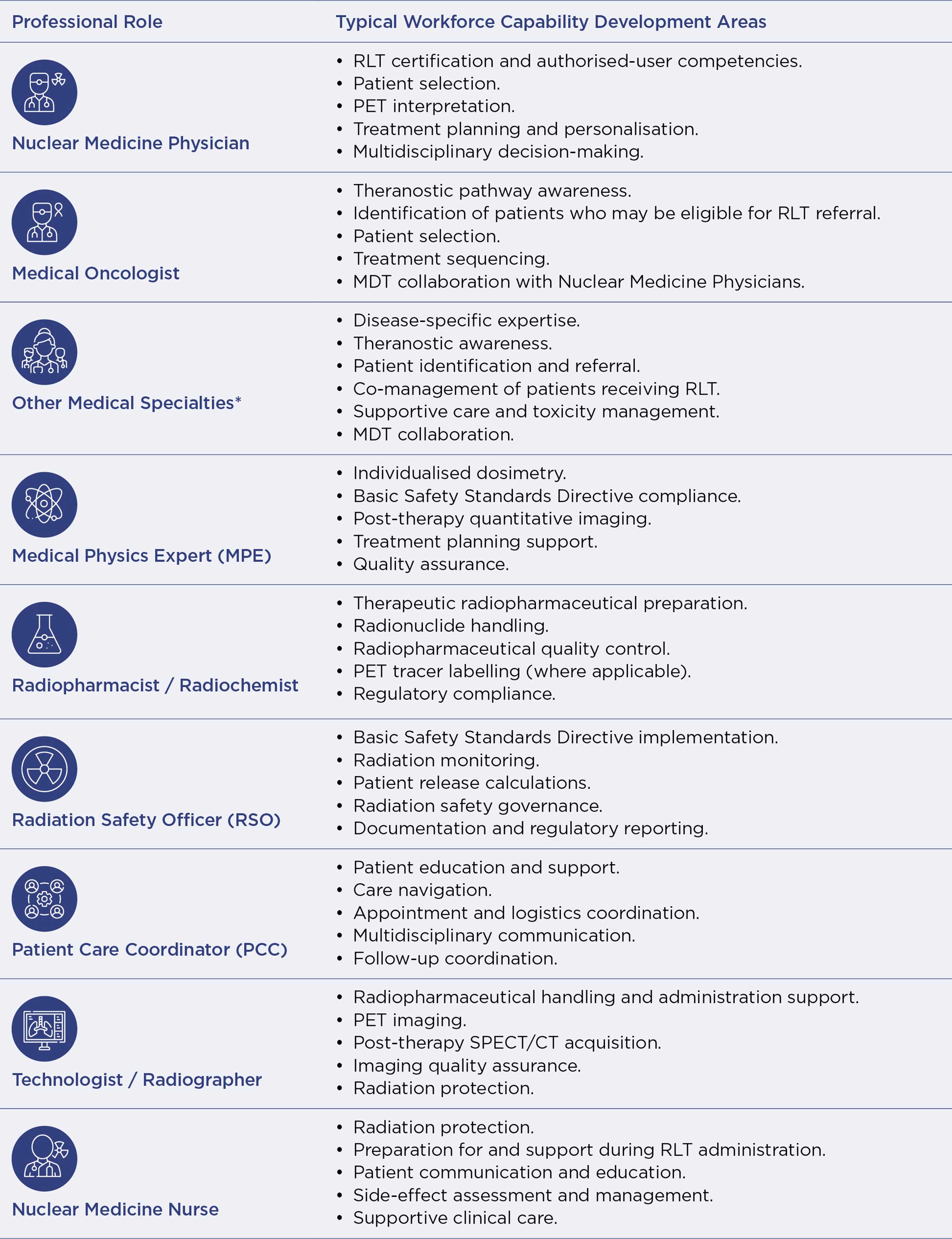
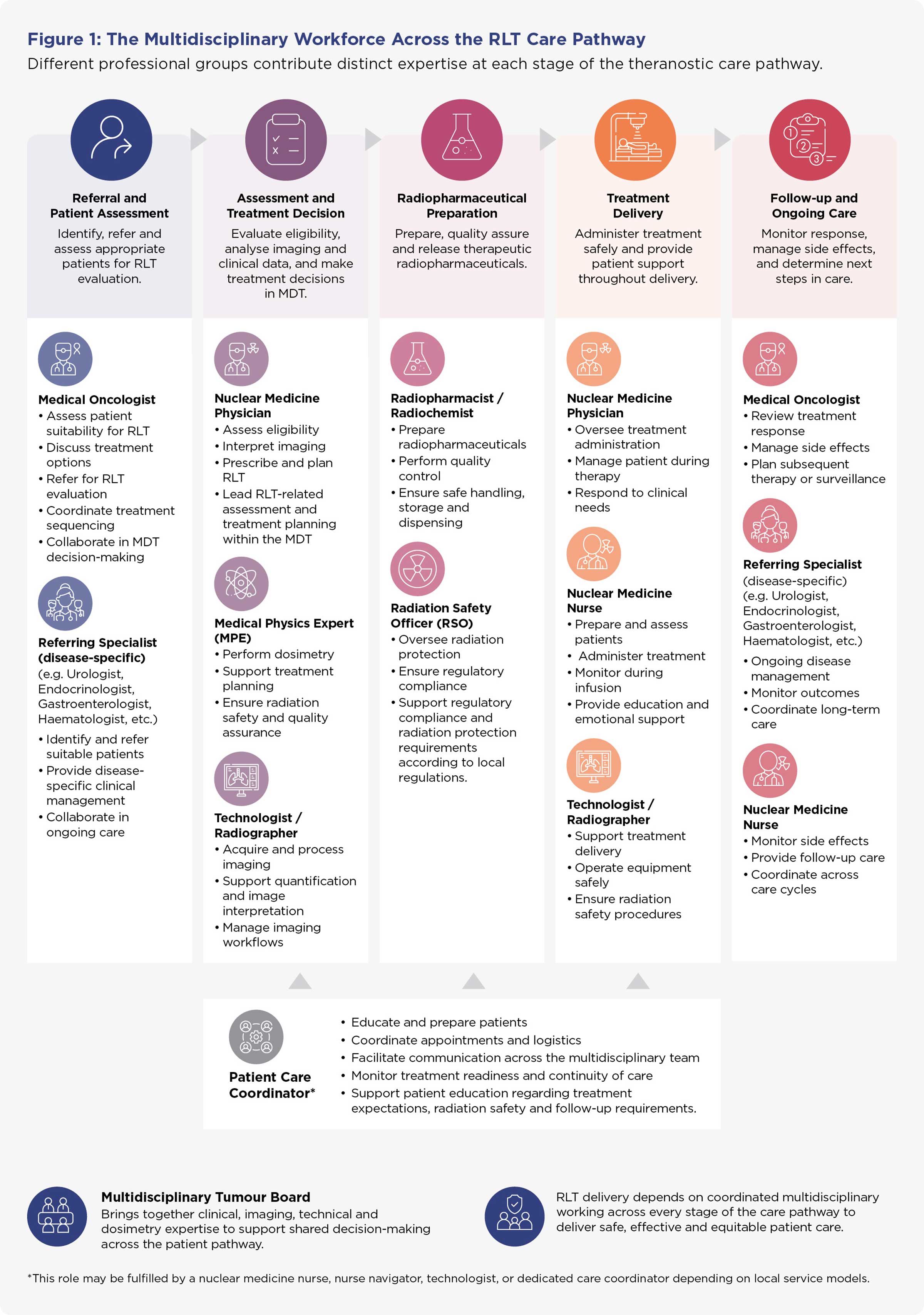
Meeting this growing demand requires a coordinated multidisciplinary workforce with complementary clinical, technical, scientific and regulatory expertise (Figure 1).
Throughout the theranostic care pathway, different professional groups contribute distinct expertise at each stage of RLT delivery. Safe and effective care depends not only on the expertise of individual professionals but also on effective collaboration across the multidisciplinary team. As demand grows, centres must both expand workforce capacity and develop the specialist competencies required for increasingly complex RLT delivery.
Workforce readiness also includes preparing teams to meet increasing patient information and education needs. Examples may include patient questions regarding radiation safety, treatment sequencing alongside existing therapies, side effect management and patient support resources.
1.2 The Workforce Gap
Since RLT delivery depends on coordinated multidisciplinary working, workforce constraints affecting any one profession can limit the capacity of the entire service. This makes workforce capacity one of the major barriers to expanding RLT globally.
While the scale and nature of workforce challenges vary between regions and countries, they typically have two distinct dimensions. First, many healthcare systems face shortages across the multidisciplinary workforce required to deliver RLT, limiting service capacity and patient access. Second, the professionals already delivering RLT require ongoing education and training as indications expand, technologies evolve, and increasingly complex theranostic pathways become standard practice. Therefore, addressing future demand requires both expanding the workforce pipeline and continuously developing the capabilities of the existing workforce. While both are essential, this playbook focuses primarily on workforce capability development within individual centres.
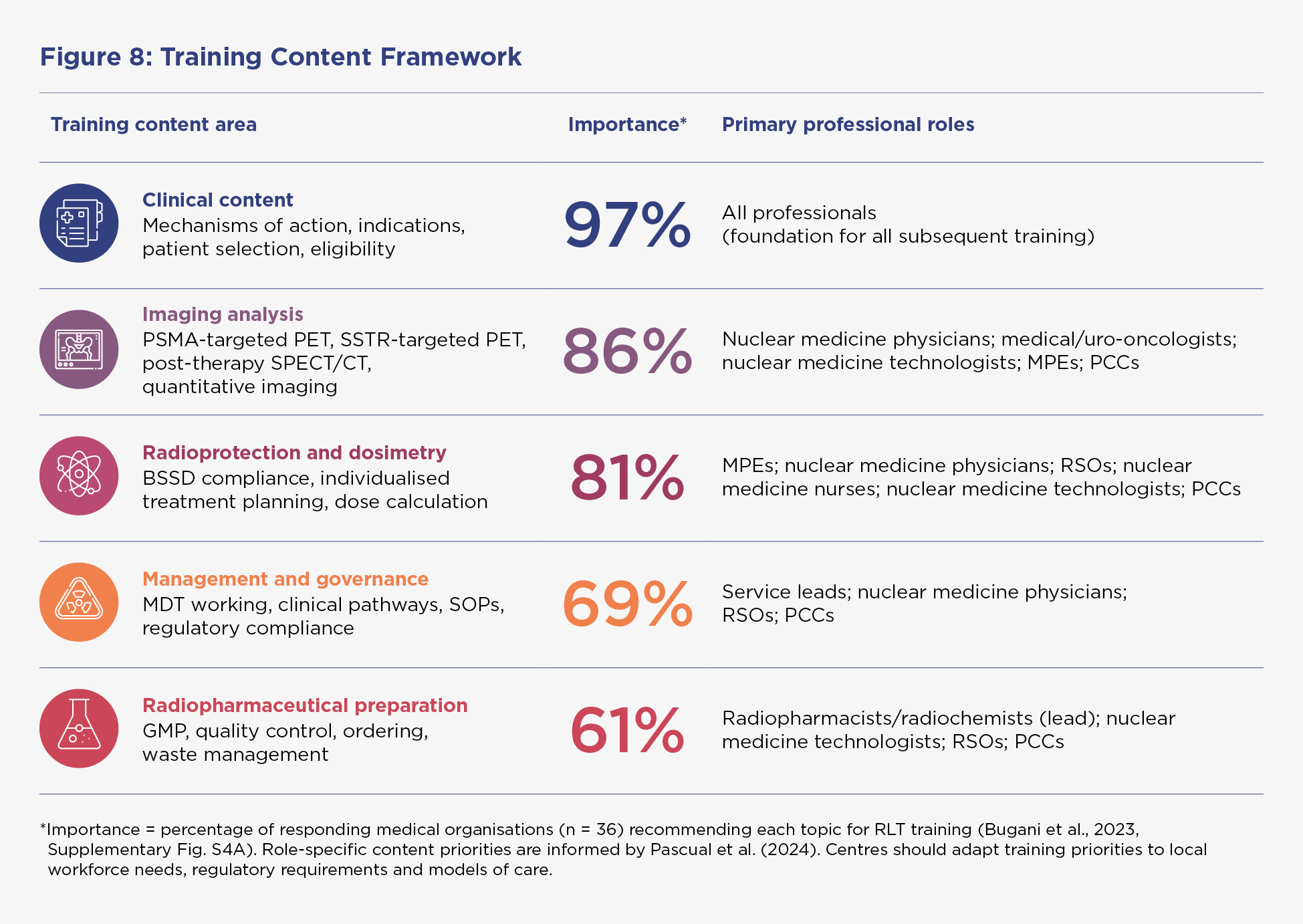
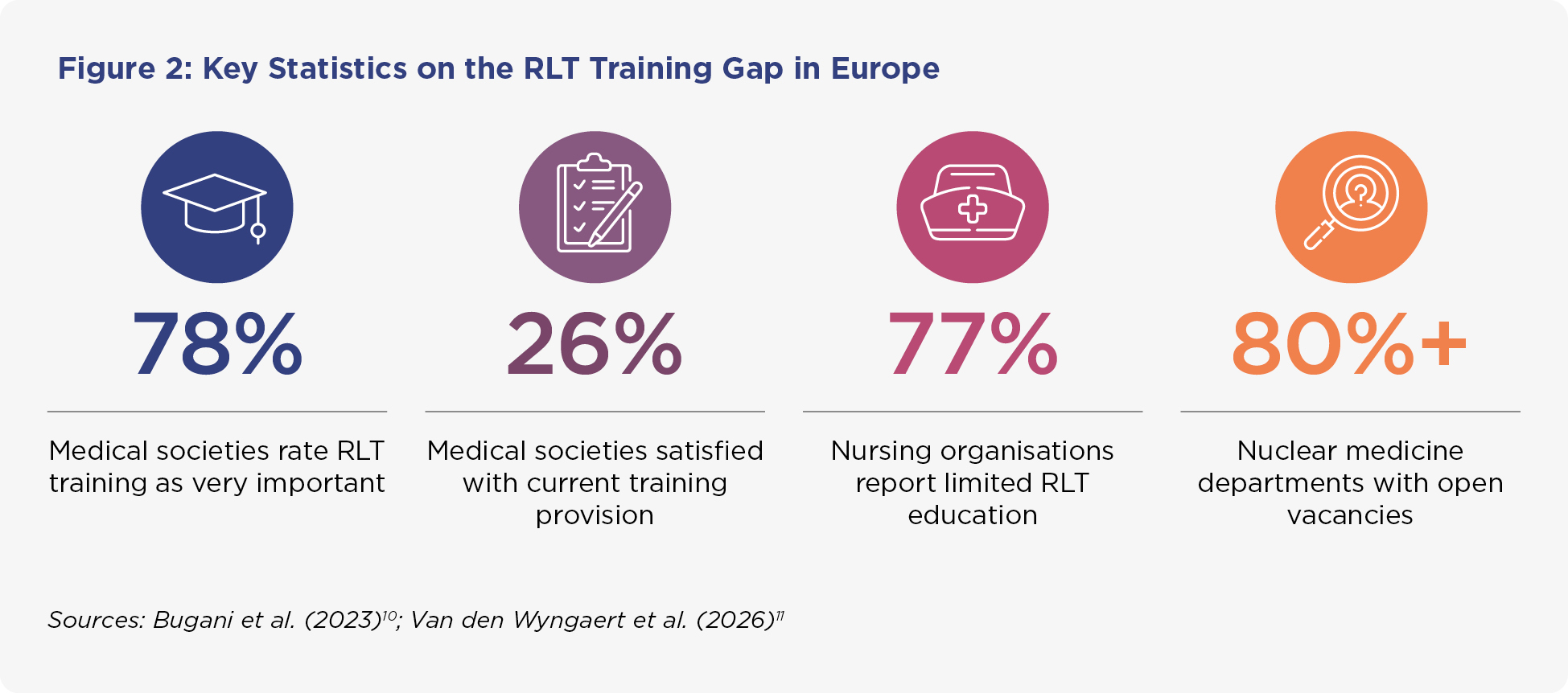
Evidence from Europe illustrates the scale of the challenge. A survey of European medical societies found that 78% rated RLT training as very important, but only 26% were satisfied with current training provision. Additionally, 77% of nursing organisations reported limited RLT education, despite nurses playing a central role in treatment delivery (Figure 2).10
These training gaps are reflected in workforce shortages across the theranostic pathway. In Europe, more than 80% of nuclear medicine departments report open vacancies,11 while training pathways, staffing levels and service capacity vary considerably between countries.12,13 In France, a survey of nuclear medicine centres identified shortages of trained nurses, technologists, and physicians as major barriers to RLT delivery, particularly in centres with limited prior experience.14
Limited training capacity also restricts the pipeline of future trainers and specialists, creating a self-reinforcing cycle that risks widening the gap between workforce capacity and patient demand.15
1.3 Regulatory Variation and Equity of Access
Workforce challenges are often compounded by regulatory variation and unequal access to RLT. Regulatory requirements, reimbursement pathways, workforce models, and service delivery approaches can vary considerably between countries and regions, influencing how RLT services are established, delivered and scaled.
Europe provides a clear example of these challenges. The Basic Safety Standards Directive (BSSD) sets EU-wide requirements for protection against the risks of ionising radiation. However, its implementation differs between countries, with variation in dosimetry requirements, medical physics involvement, patient release criteria, hospitalisation practices, and reimbursement pathways.16,17
The impact on patient access is significant. It has been estimated that 50 million EU citizens currently lack access to RLT,18 and eligible patients in many countries continue to face delays or limited treatment availability. These disparities reflect differences in infrastructure, reimbursement, regulatory implementation, and workforce capacity across Europe.
Barriers to RLT integration are interconnected and extend beyond regulation alone:
- Limited awareness and understanding can affect recognition of RLT and readiness to adopt it.
- Unclear models of care can make responsibilities and patient pathways difficult to establish.
- Workforce constraints can limit the capacity to deliver and expand services.
Beyond these centre-level barriers, inadequate infrastructure can restrict treatment capacity, gaps in evidence can hinder service planning and investment, and regulatory and policy requirements can shape how quickly new models can be implemented (Figure 3).17
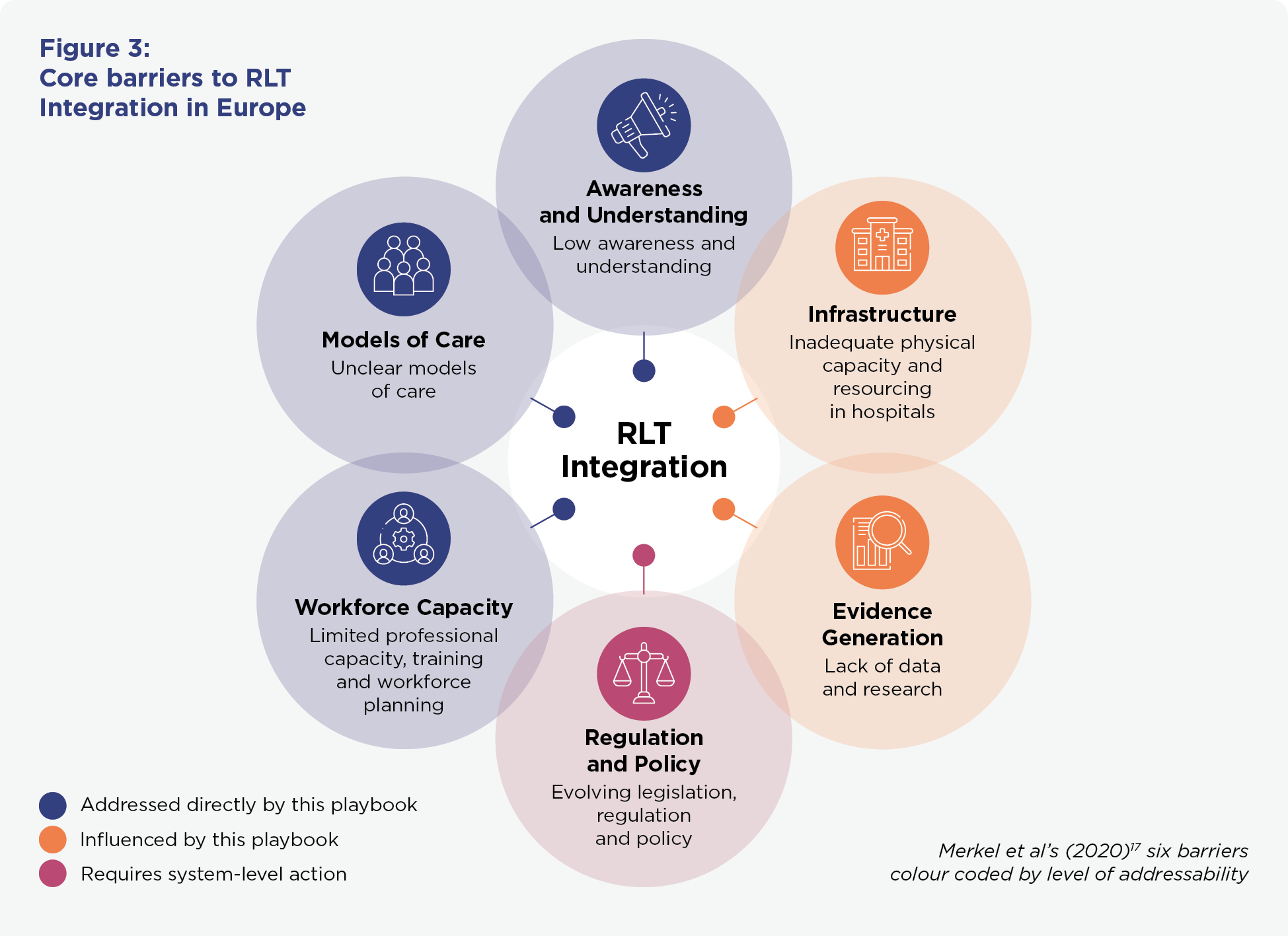
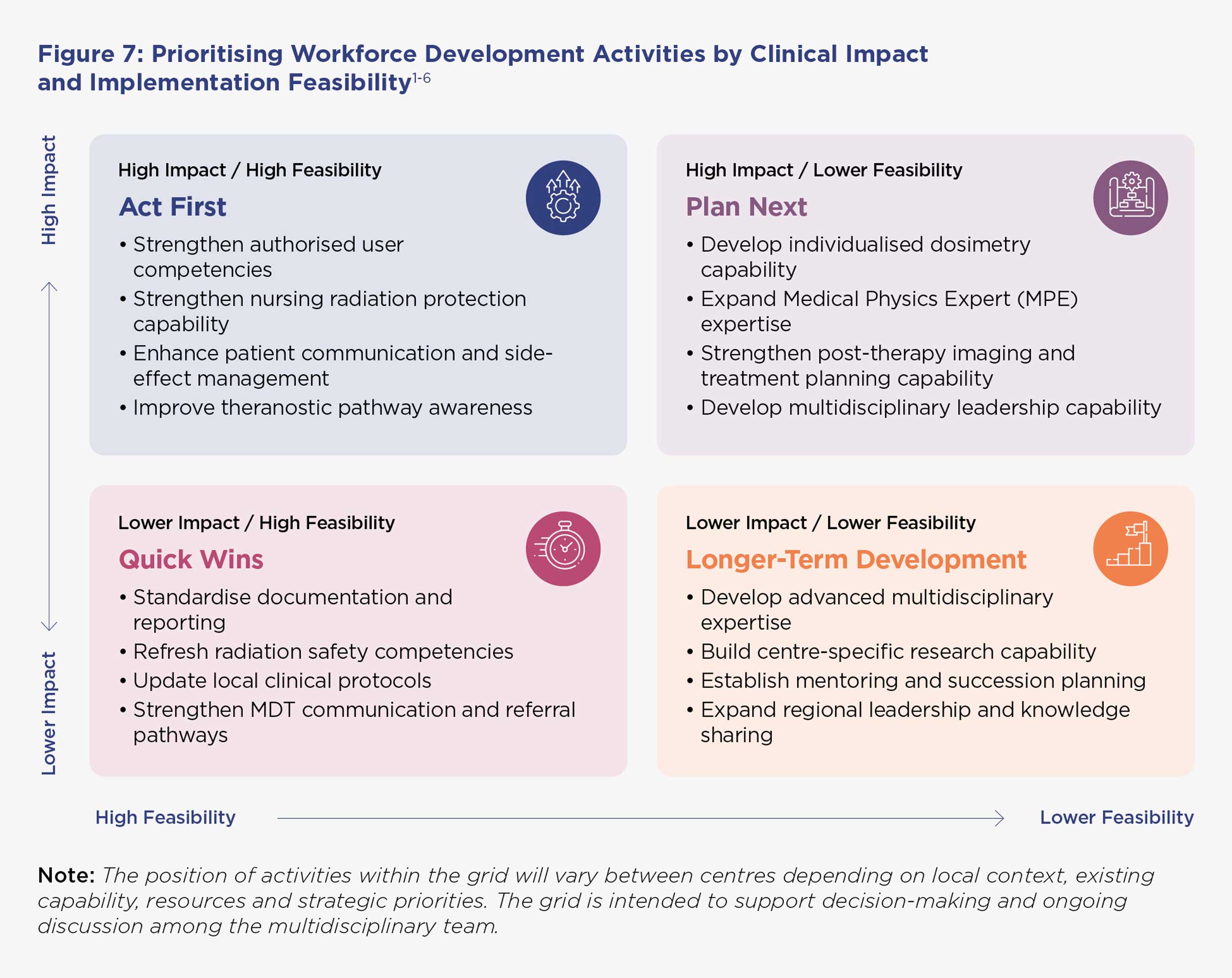
Addressing these barriers requires action at different levels. Infrastructure, regulation and evidence generation may depend substantially on national, regional or system-level action, while centres can more directly influence awareness, models of care and workforce capability. Expanding the workforce pipeline and strengthening the capabilities of existing teams are therefore complementary priorities and represent some of the most immediate and actionable opportunities available to individual centres.
1.4 Workforce Development as an Ethical Imperative
A major Lancet Oncology Commission identified workforce shortages as a key barrier to theranostics implementation and a contributor to inequitable patient access worldwide.19 Addressing these gaps is not only essential to expanding RLT capacity but also an ethical imperative, helping to reduce avoidable disparities in access to care.
Investment in the RLT workforce also delivers benefits beyond theranostics. Strengthening multidisciplinary collaboration, molecular imaging expertise, dosimetry capability, radiation safety and pathway redesign can enhance oncology services more broadly while supporting equitable access to RLT.
Failure to expand workforce capacity risks limiting the return on substantial investments already being made in radiopharmaceuticals, imaging infrastructure, and theranostic service development.
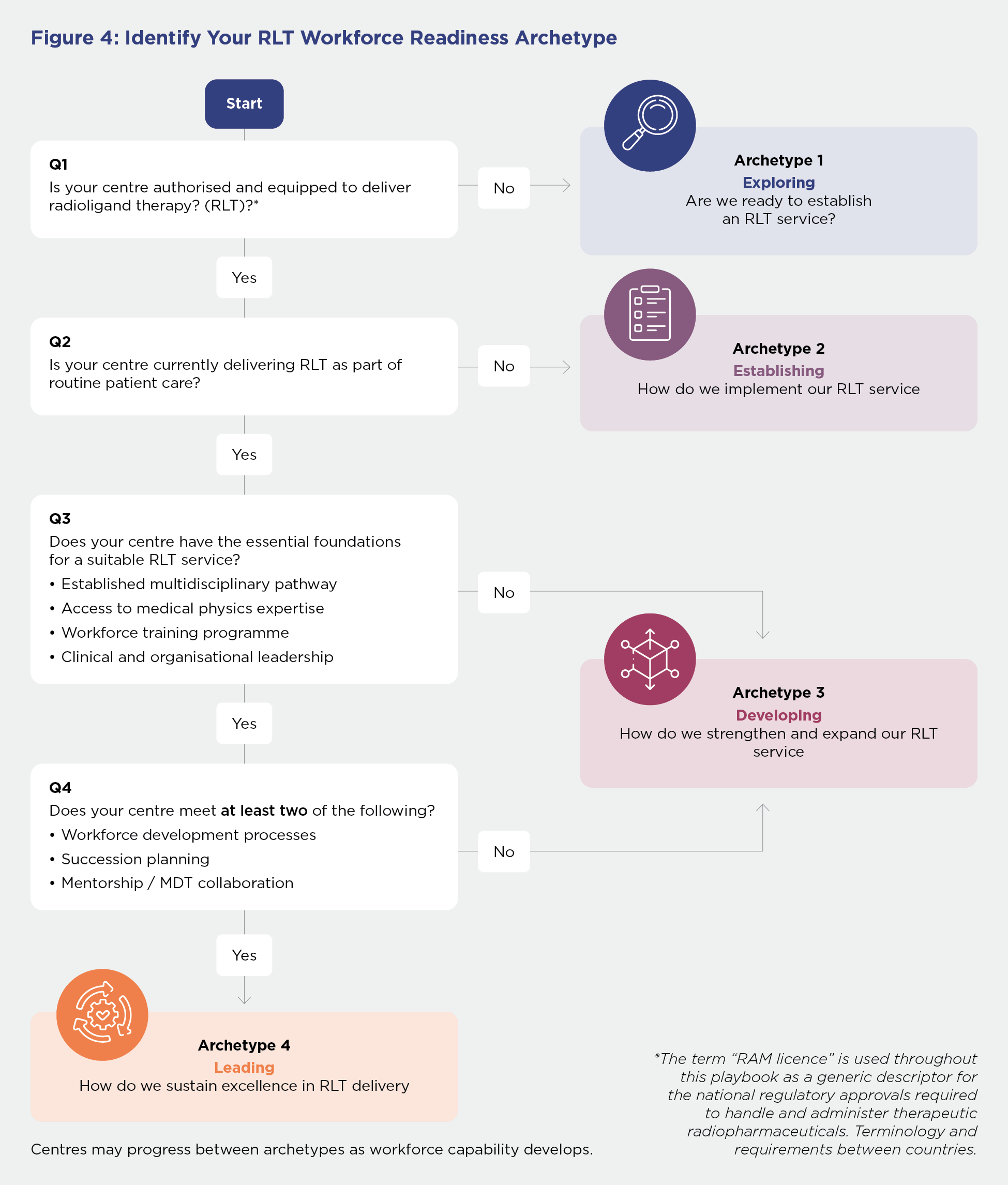
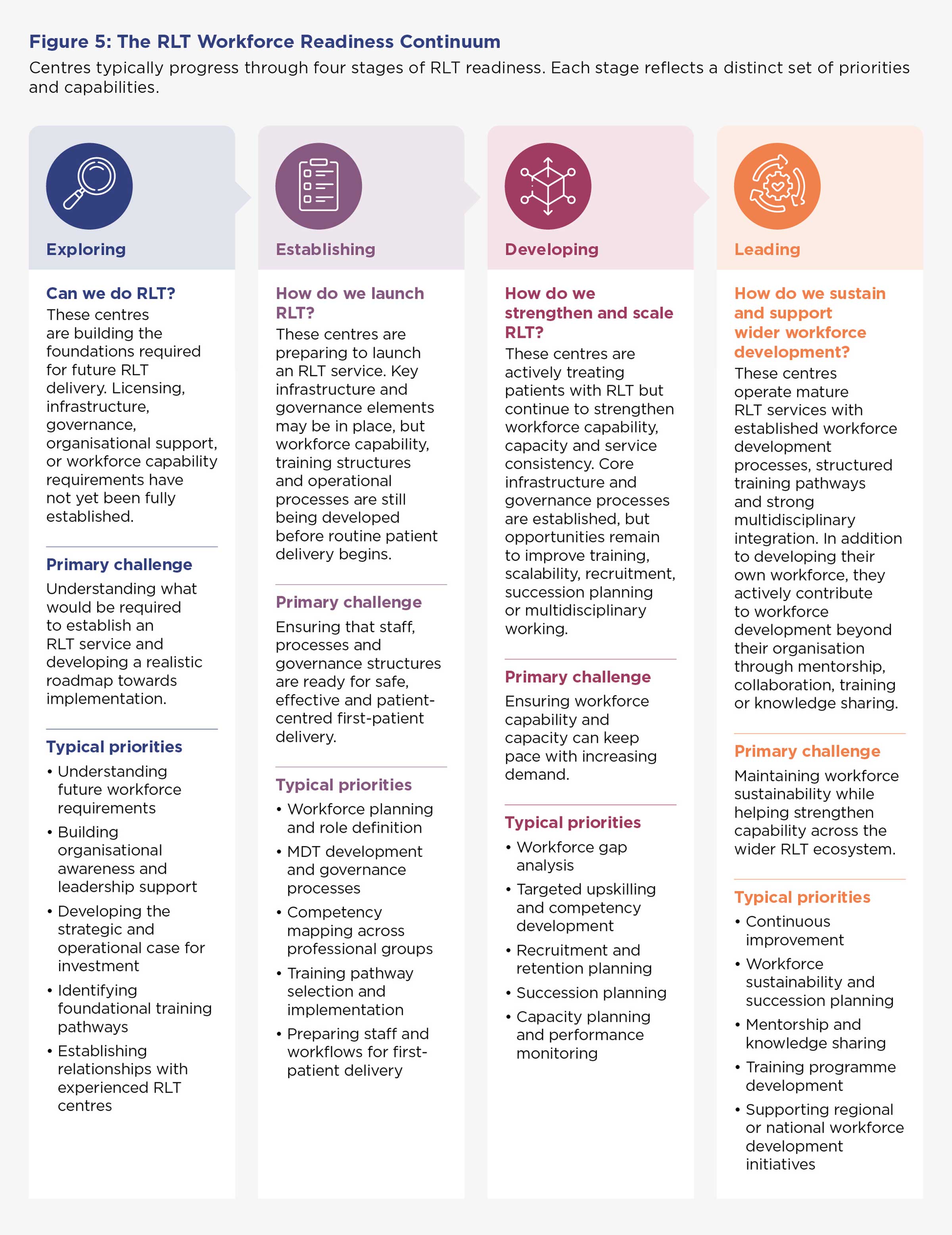
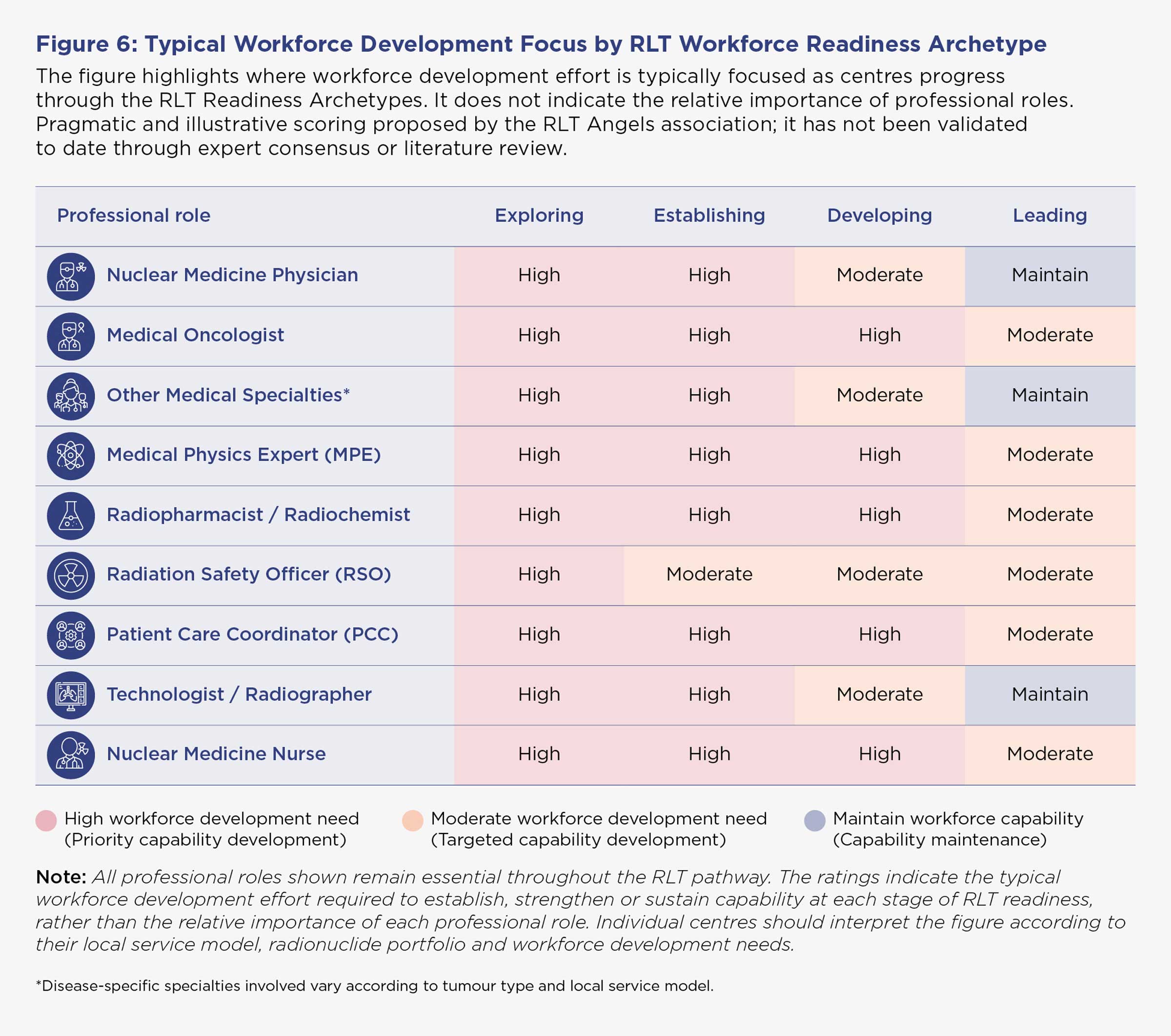
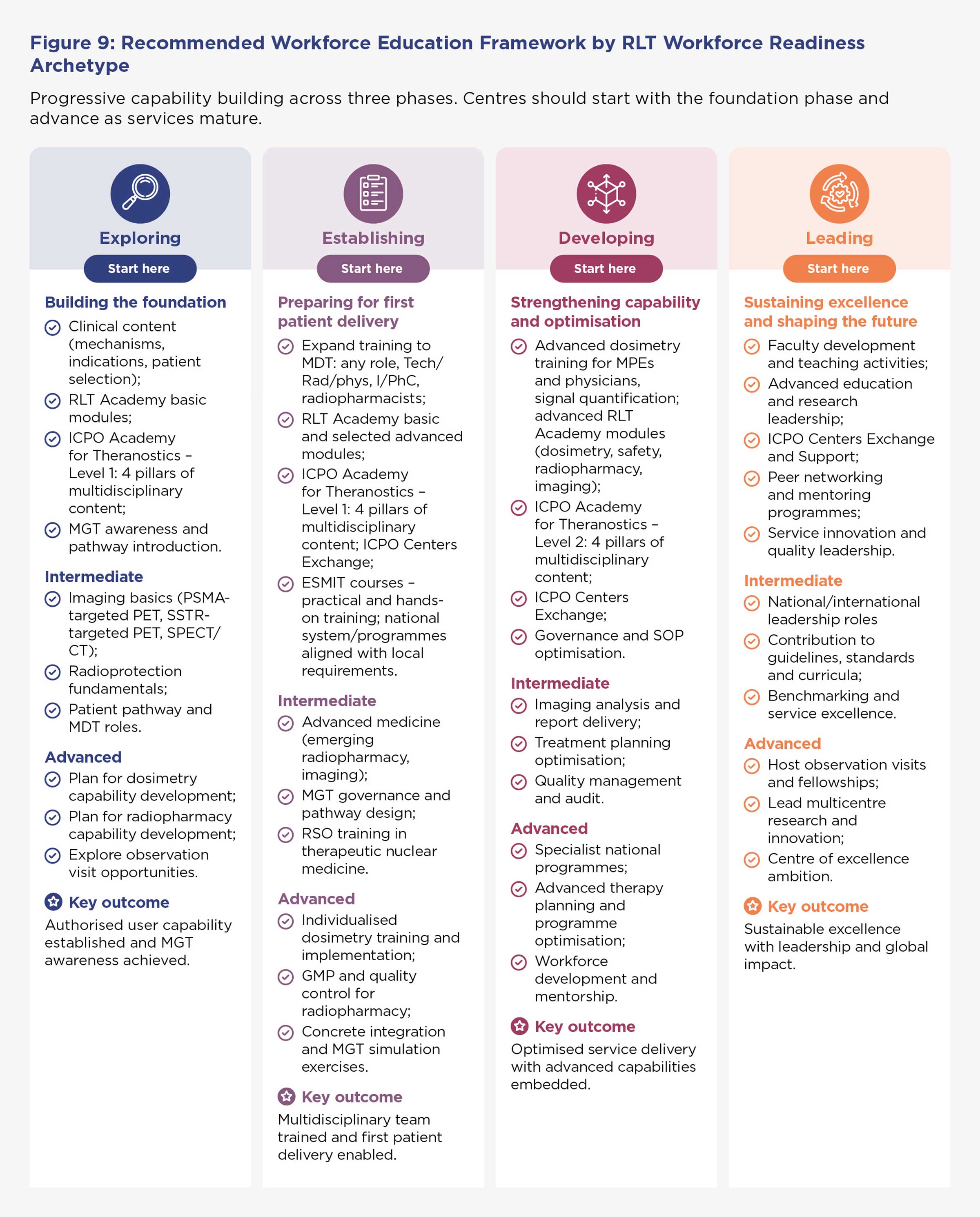
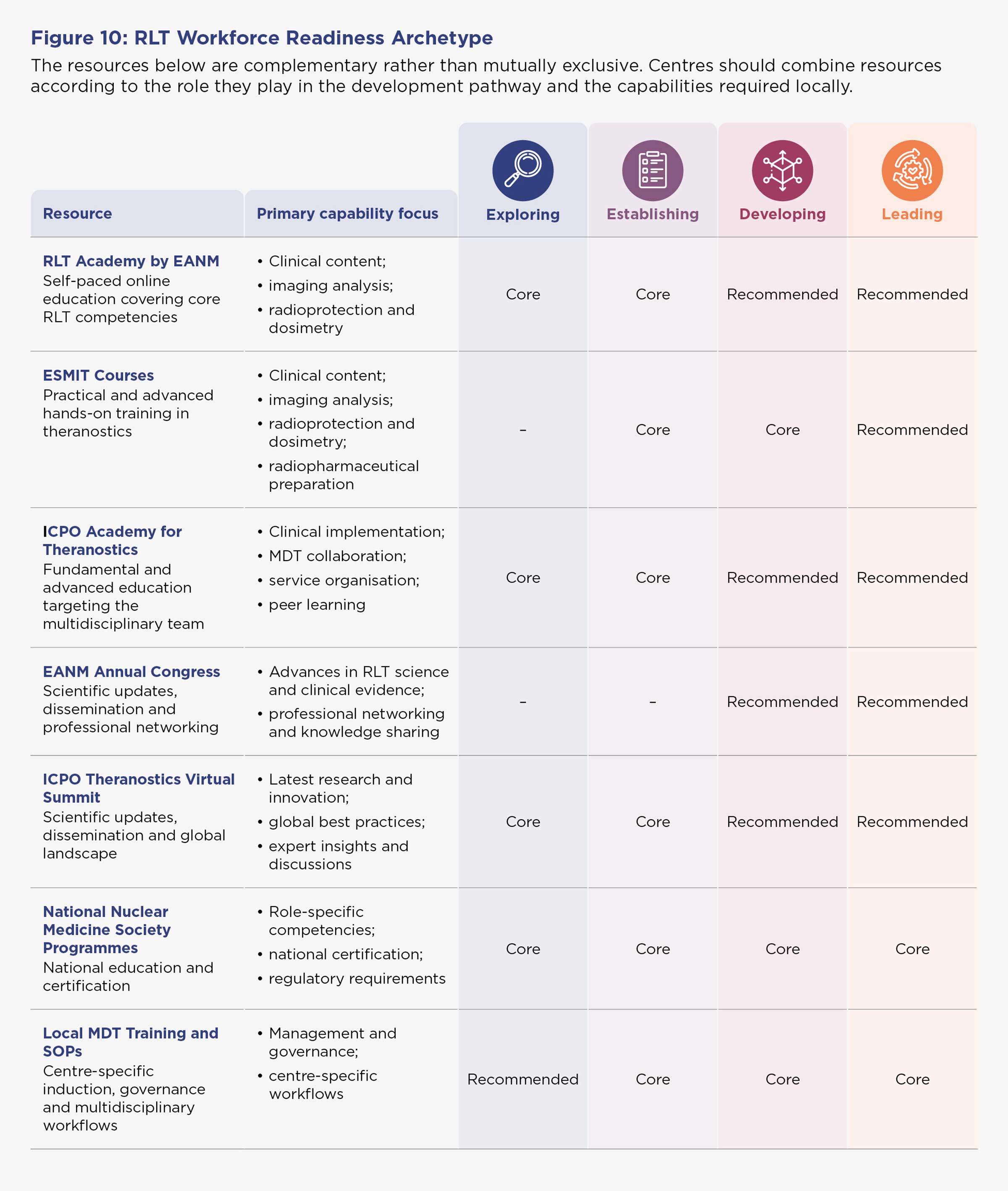
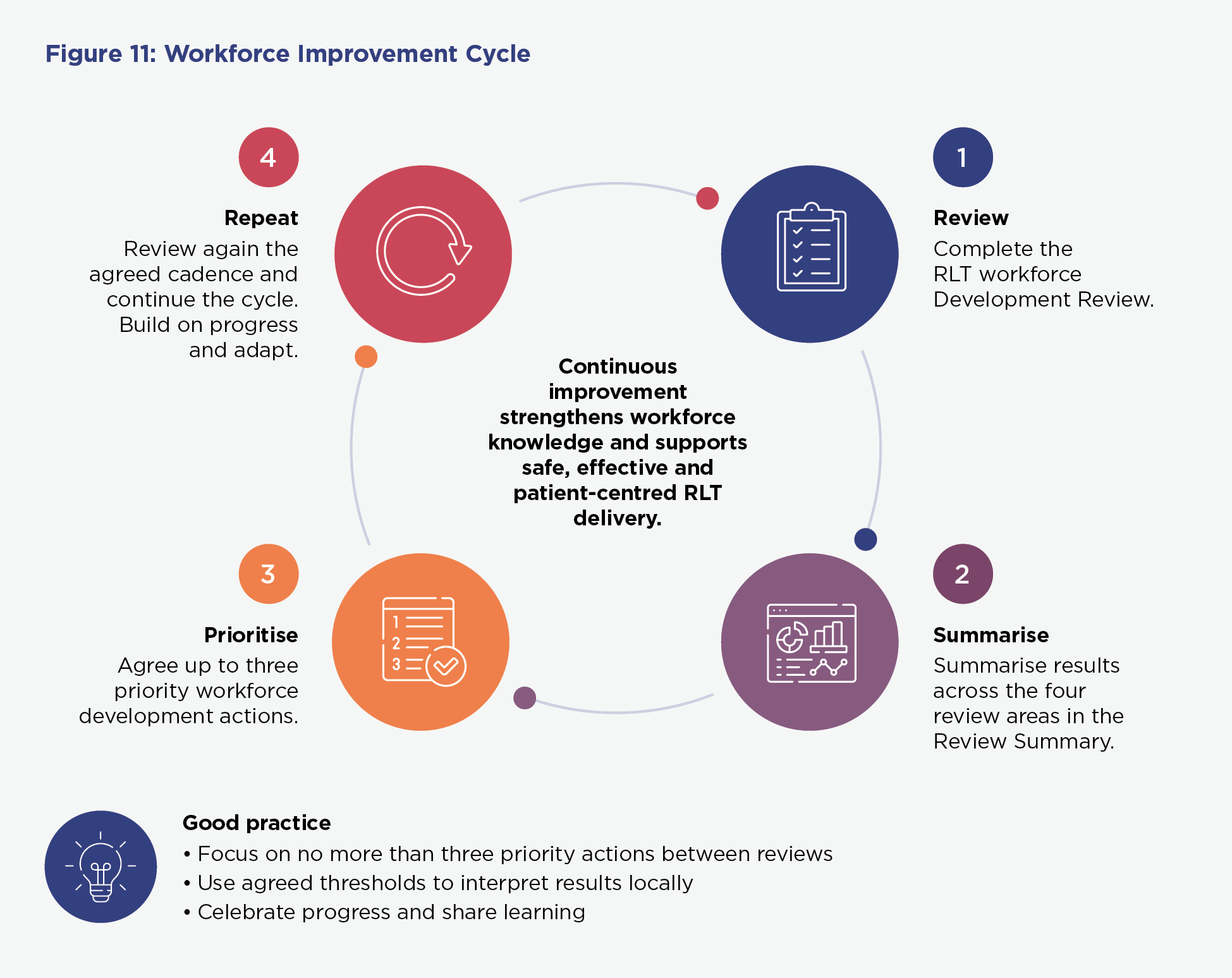
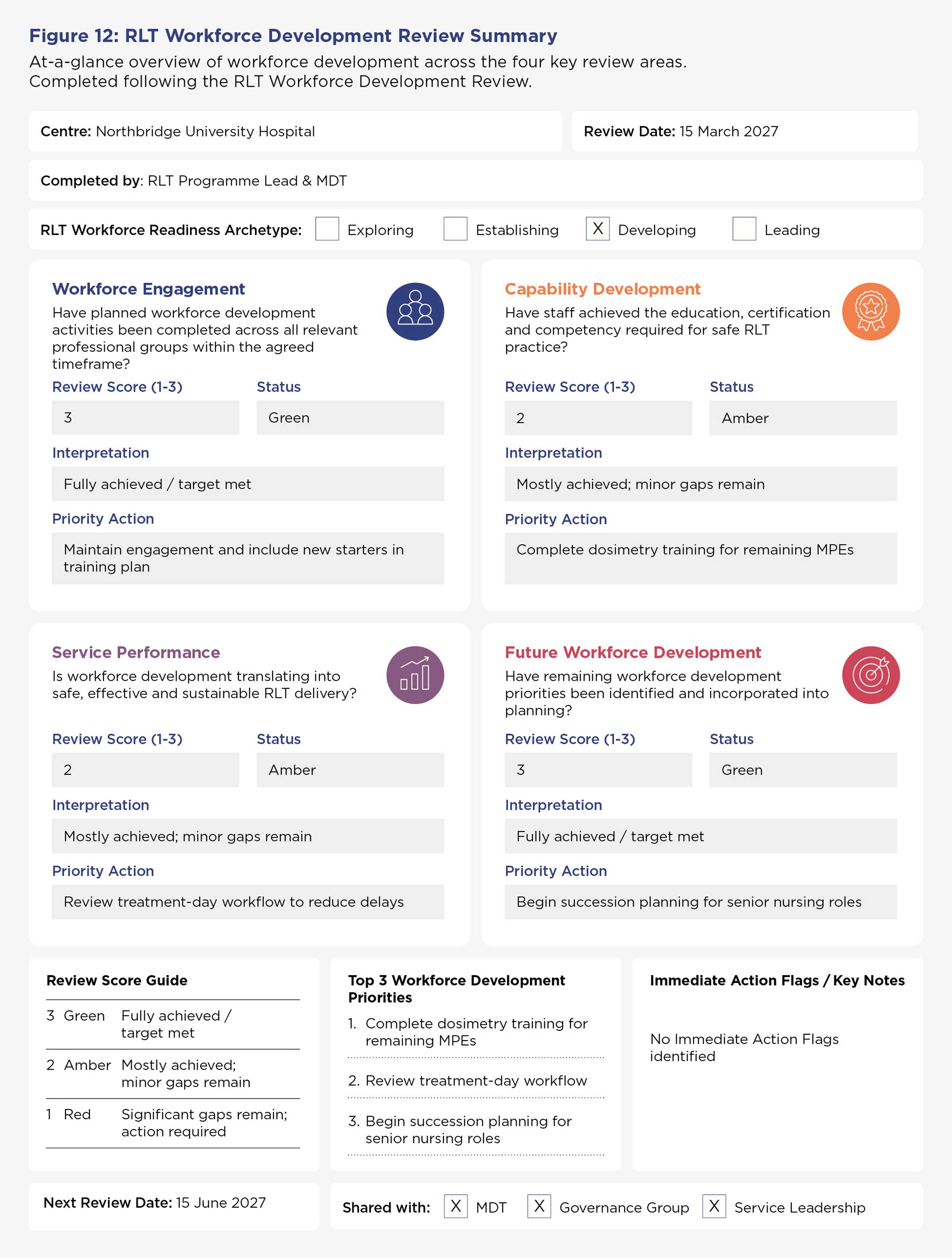
Understanding your centre’s current level of RLT workforce readiness is the first step towards building a sustainable workforce. Chapter 2 provides a practical framework for assessing your readiness and identifying the workforce priorities most relevant to your stage of service development.